

YOUTH RESOURCES
Why do young people use substances?

Sometimes people use substances because they feel overwhelmed, stressed, anxious, or emotionally drained. While it might seem like a way to “escape” or feel better for a little while, substances can actually make mental health struggles worse over time.
To cope with stress, anxiety, or depression.

Wanting to fit in is completely normal, especially during middle and high school. Some teens may feel pressure to use substances because they do not want to feel left out, judged, or different from their friends.
To fit in with friends or avoid rejection.

It is natural to be curious and want to try new experiences. Seeing substances on social media, in movies, or around peers can make experimentation seem normal or harmless, even when there are real risks involved.
Out of curiosity or a desire to try new things.

Some substances can create temporary feelings of confidence, relaxation, happiness, or excitement. This can make them seem appealing, especially during stressful or emotional moments, but those effects are temporary and can lead to harmful consequences later on.
To feel good.
What are the risks of underage substance use?
Short-term risks
-
Using substances can affect the body in unpredictable and dangerous ways, especially for young people. Even trying a substance “just once” can lead to alcohol poisoning, overdose, trouble breathing, or loss of consciousness. With fentanyl now being found in many drugs, even small amounts can be life-threatening.
-
Substances can impair judgment, coordination, and reaction time, making accidents more likely. Under the influence, people may take risks they normally would not, such as unsafe driving or physical fights, which can lead to serious injuries.
-
Substance use can make it harder to think clearly and make safe decisions. This can increase the likelihood of unsafe sexual activity, situations involving pressure or lack of consent, and a higher risk of sexually transmitted infections or unintended pregnancy.
Long-term risks
-
The brain continues developing into the mid-20s, especially areas connected to decision-making, memory, learning, and emotional regulation. Substance use during adolescence can interfere with this development and impact focus, motivation, and problem-solving skills.
-
The earlier someone begins using substances, the greater their risk of developing a substance use disorder later in life. What may start as experimentation or occasional use can sometimes turn into dependence or addiction over time.
-
Substance use and mental health are closely connected. While some people use substances to cope with stress, anxiety, or depression, substance use can actually worsen mental health symptoms and increase feelings of anxiety, sadness, loneliness, or emotional instability.
-
Substance use can affect concentration, memory, attendance, and motivation, making school more difficult. It can also impact friendships, family relationships, extracurricular activities, and overall well-being, making it harder to stay connected to the people and activities that matter most.
If underage use is so dangerous, why does it seem like everyone does it?
Social media, movies, and influence from peers can make substance use seem much more common than it really is. The reality is that most teens choose not to use alcohol, nicotine, or cannabis. Check out the percentages of U.S. youth ages 12–20 who reported not using these substances in the past month:
86.7%
Did NOT drink alcohol.
89.6%
Did NOT vape nicotine.
88.3%
Did NOT use tobacco products.
89.5%
Did NOT use cannabis.
Refusing Peer Pressure
〰️
Refusing Peer Pressure 〰️

Being a teen can make it challenging to balance staying true to your own values while also wanting to fit in with friends. At some point, you may encounter pressure to engage in unhealthy or risky behaviors, including substance use. While peer pressure is often portrayed in movies as direct persuasion or threats, it is usually much more subtle in real life. It can come through social media, group dynamics, unspoken expectations, or simply wanting to feel accepted. No matter what form it takes, peer pressure can be difficult to navigate. The strategies below can help you respond with confidence and make choices that align with your goals and values.
Set healthy boundaries
It is okay to say no to things that make you uncomfortable. Setting boundaries means knowing your values and being clear about what you are and are not willing to do. True friends will respect your decisions, even if they make different choices themselves.
Plan an exit strategy with friends
Surround yourself with friends who share your values and support your goals. If you have a trusted group of friends, talk ahead of time about what you would do if you end up in a situation involving substances. Having a plan to leave together, check in with one another, or support each other's decisions can make it easier to handle peer pressure and stay safe.
Avoid possible risky situations
You do not have to put yourself in situations where you know you may feel pressured to do something you do not want to do. Choosing activities, events, and friend groups that support your goals can help reduce the likelihood of facing unwanted pressure.
Make an excuse
You do not owe anyone a detailed explanation for saying no. Sometimes a simple excuse can help you exit an uncomfortable situation, such as saying you have practice tomorrow, your parents are expecting you home, or you are meeting up with someone else. Whatever the reason, protecting your well-being is what matters most.
The Good Samaritan Law: ALWAYS call 911 to save a life
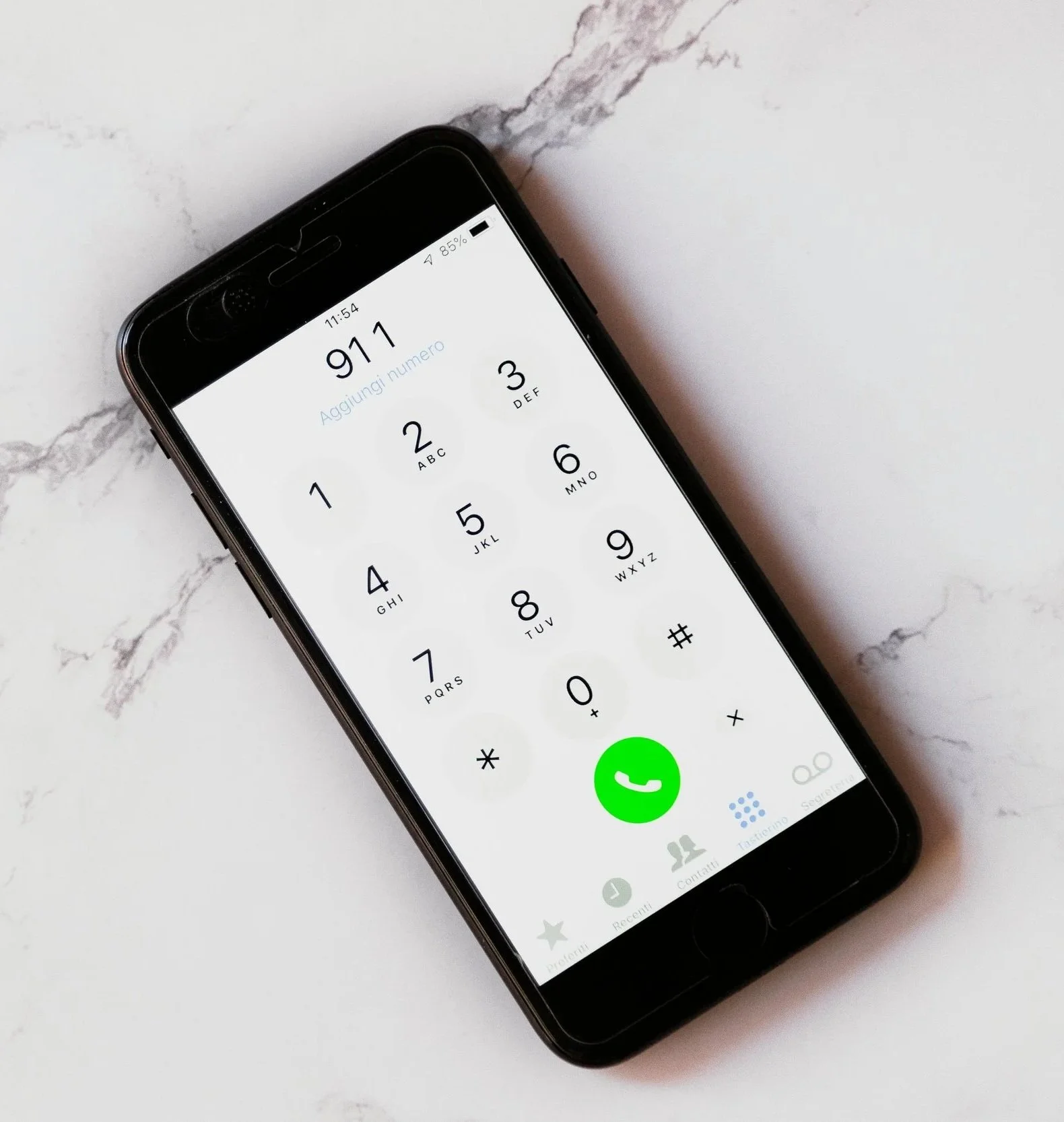
If you think someone is overdosing or is severely impaired from alcohol or other drugs, call 911 immediately. Acting quickly can save a life.
Many teens hesitate to call for help because they are worried about getting themselves or a friend in trouble. Illinois has a law called the Emergency Medical Services Access Law of 2012, often referred to as the Good Samaritan Law, that encourages people to seek emergency medical assistance during an overdose. Under this law, both the person experiencing the overdose and the person who calls for help may receive certain legal protections related to drug possession offenses when emergency medical assistance is requested in good faith.
These protections apply regardless of age, meaning they can also help protect people under 21 who call 911 during an overdose emergency. However, the law has limits and does not provide immunity for every possible offense.
The most important thing to remember is this: a life is always more important than the possibility of getting in trouble. If someone is unconscious, difficult to wake up, having trouble breathing, vomiting while unresponsive, or showing signs of an overdose, do not wait. Call 911, stay with the person, and follow the dispatcher's instructions until help arrives. Quick action can make the difference between life and death.